Concept
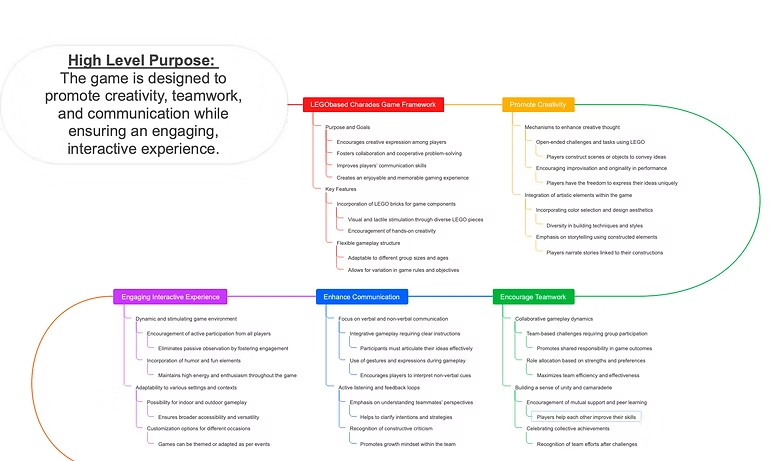
A LEGO-based twist on Charades, where players build and guess words using LEGO bricks, fostering creativity, teamwork, and communication.
Goals
To enhance creativity, teamwork, and communication by having players collaboratively build and guess words using LEGO bricks, while ensuring fun and engagement through dynamic roles and challenges.
Features
Players take on distinct roles with a tiered difficulty system, a LEGO-based scoreboard for instant feedback, and a debriefing session to reflect on the experience and enhance learning.
How to play
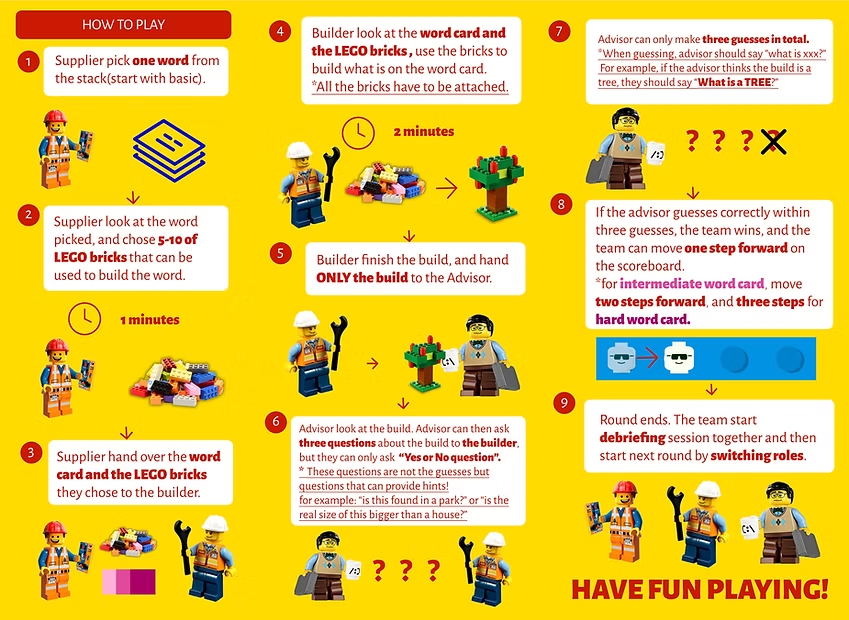
Pick a word
The Supplier picks one word from the stack (starting with basic difficulty) and chooses 5–10 LEGO bricks that could be used to build it: one minute on the clock.
Build it
The Supplier hands the word card and bricks to the Builder, who builds what's on the card using only those bricks: two minutes, all bricks must be attached.
Question & guess
The Builder hands only the finished build to the Advisor, who may ask three yes/no questions before making up to three guesses, phrased as "What is xxx?"
Score & debrief
A correct guess within three attempts moves the team forward on the scoreboard: one step for easy words, two for intermediate, three for hard. The round ends with a debrief, then the team switches roles.
How to win
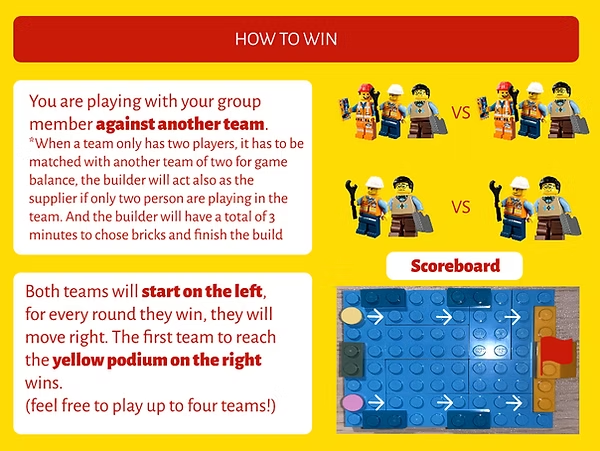
Teams play head-to-head, starting on the left of the scoreboard. For every round they win, they move right; the first team to reach the yellow podium wins. The game supports up to four teams at once.
Debriefing: let's talk
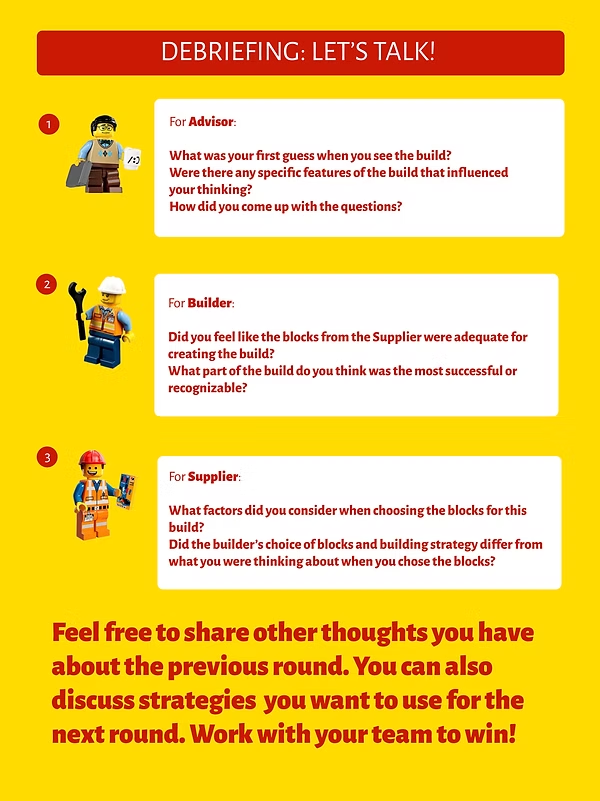
After each round, the team reflects together with role-specific prompts:
- Advisor — What was your first guess when you saw the build? Which features influenced your thinking? How did you come up with your questions?
- Builder — Did the blocks from the Supplier feel adequate? What part of the build was most successful or recognizable?
- Supplier — What factors did you consider when choosing the blocks? Did the Builder's approach differ from what you expected?
Design process
The game's high-level purpose — promoting creativity, teamwork, and communication through an engaging, interactive experience — is grounded in game design theory and cognitive psychology, including Flow Theory (matching challenge to skill so players stay immersed) and Cognitive Load Theory (chunking instructions and rules so the game stays approachable rather than overwhelming).